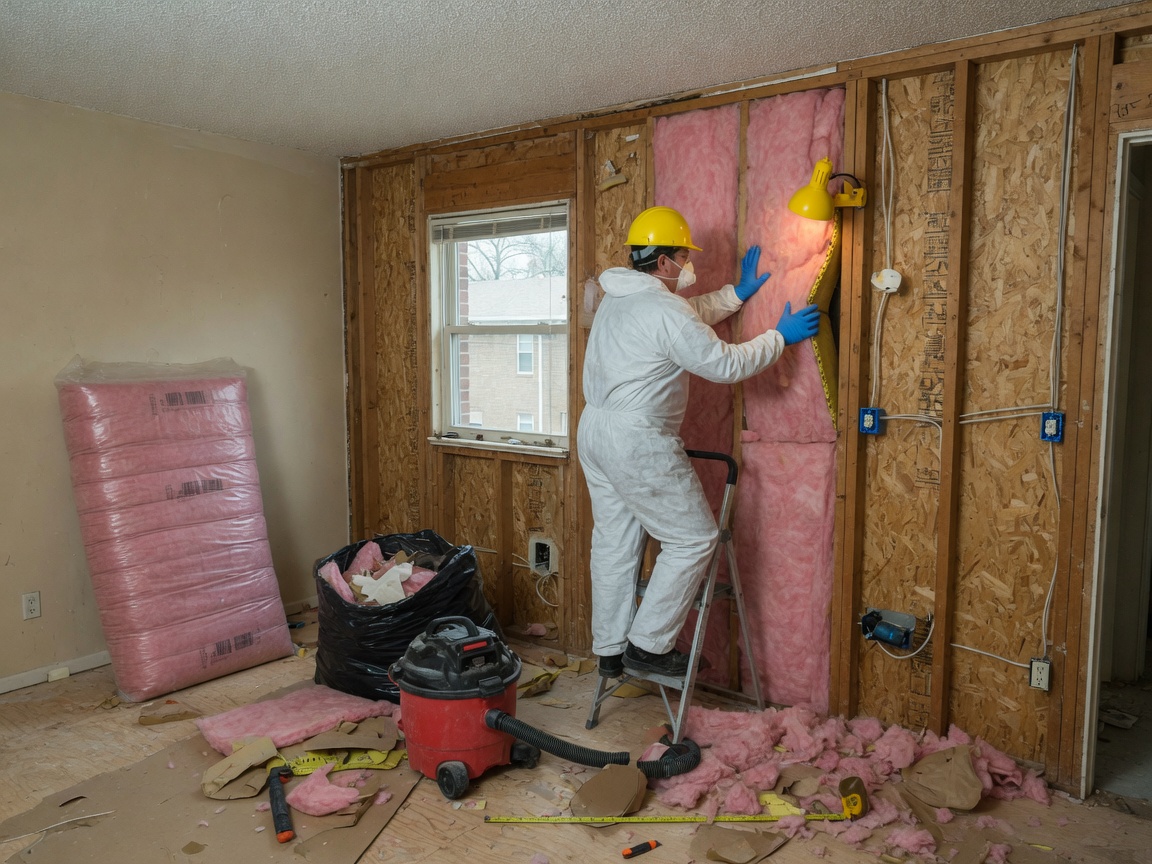
Tulsa's housing stock includes many pre-1970 homes in Maple Ridge and Greenwood with balloon framing and uneven cavities that trap moisture after severe thunderstorms. Closed cell spray foam seals these gaps while adding structural rigidity, but installers must manage vapor drive in the warm humid summers by placing the foam correctly against the sheathing. Open cell foam works better in vented assemblies where drying to the interior is possible, yet it requires careful attention to air sealing around outlets and windows common in Cherry Street bungalows.
In Tulsa County, winter cold fronts create large temperature differentials that push condensation into walls if insulation is incomplete. Technicians often find missing batts or settled cellulose in Brookside and Utica Square homes, then use low-pressure spray foam to fill without over-expanding and bowing plaster. Access through interior drywall or exterior siding changes the job; exterior applications in areas like the Pearl District avoid disturbing historic interiors but must account for brick ties and utility penetrations.
Severe thunderstorms bring wind-driven rain that tests any wall assembly. Spray foam reduces air leakage that carries moisture inward, but crews still verify drainage planes remain intact before covering. Code requirements in Tulsa County call for proper ignition barriers in habitable spaces, and the work at 6549 E 46th St is scheduled around those inspections.
Technician insight
In Tulsa, the thing that catches most people out with Wall Insulation is how quickly summer humidity re-enters walls after a thunderstorm if the foam does not tie into the existing drainage plane, especially on 1920s balloon-framed homes in Greenwood where cavities run straight to the attic.
Maple Ridge Wall Insulation
A 1930s home showed cold spots and occasional musty smells after heavy rains. Inspection revealed gaps in original plaster and missing insulation in several exterior walls. Closed cell foam was applied from the interior after outlets were masked, sealing the cavities and tying into the sheathing. The homeowner reported steadier indoor temperatures the following winter.
Wall Insulation Services We Offer
✓Closed Cell Wall Cavity Insulation
High-density closed cell foam fills stud cavities in Tulsa homes to block air and add racking strength against high winds common during spring storms.
✓Open Cell Wall Insulation
Lower-density open cell foam is applied in vented wall assemblies where drying potential to the interior is needed in humid summer conditions.
✓Exterior Wall Spray Foam Retrofit
Foam is applied from the outside on homes in Maple Ridge and Downtown Tulsa when interior finishes must remain undisturbed.
✓Wall Insulation Around Windows and Doors
Targeted foam sealing at rough openings stops drafts that enter through older single-pane windows found throughout Cherry Street and Brookside.
✓Knee Wall Insulation in Attics
Spray foam on knee walls in Bixby and Owasso homes prevents conditioned air loss into unconditioned attic spaces during cold winters.
Wall Insulation Cost in Tulsa, OK
| Service | Typical Range | What Affects It |
|---|---|---|
| Closed Cell Wall Fill | $1.80–$2.80 per sq ft | Higher density and R-value; price rises with difficult access in older Maple Ridge homes |
| Open Cell Wall Fill | $1.20–$1.90 per sq ft | Lower cost option where drying is possible; affected by stud spacing variations |
| Exterior Retrofit Application | $2.50–$3.50 per sq ft | Includes scaffolding and weather protection for Tulsa thunderstorms |
| Window And Door Sealing Add-On | $150–$350 per opening | Common in Cherry Street and Brookside homes with original windows |
Ranges are typical for Tulsa, OK and confirmed with an exact written quote before any work starts.
How it works
- 1
Site Assessment
Crew inspects wall cavities, notes framing type, moisture signs, and access points in the specific Tulsa neighborhood.
- 2
Preparation And Masking
Furniture and finishes are protected, electrical boxes are masked, and ventilation paths are planned for the humid climate.
- 3
Foam Application
Material is sprayed in lifts to the required depth while monitoring for proper adhesion on Tulsa's typical wood or masonry substrates.
- 4
Trim And Cleanup
Excess foam is trimmed flush, ignition barriers are applied where required, and the site is left ready for drywall or siding.
Pricing
Pricing depends on wall access, cavity depth, and whether interior or exterior application is chosen.