2026-10-01 · Paul Williams
Open Cell Spray Foam Insulation: Pros, Cons, and Best Uses in Tulsa
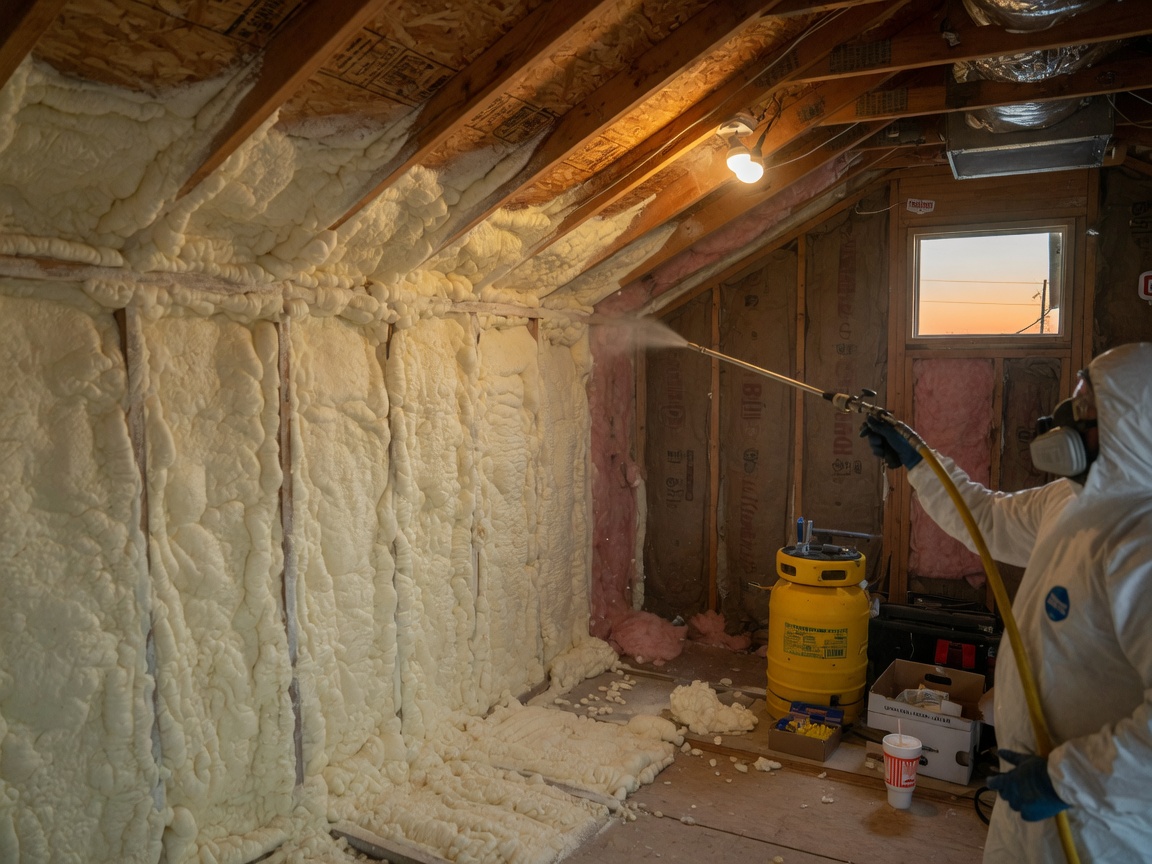
Open cell spray foam insulation works best in Tulsa attics and interior walls where sound control matters more than moisture blocking, delivering an R-value around 3.6 per inch at lower cost than closed cell while remaining flexible in homes built before 1980 across Maple Ridge and Pearl District.
Understanding Open Cell Spray Foam
Open cell spray foam expands to fill cavities with a lightweight, flexible structure that bonds to wood and drywall. In Tulsa County homes from the 1950s and 1960s common in Greenwood and Utica Square, crews often apply it from the interior after removing existing fiberglass. The material cures soft and open-celled, allowing air to move slightly while cutting heat transfer. Local crews note it adheres well to irregular surfaces in older joist bays but requires careful thickness control to avoid over-expansion into living spaces. Because it remains permeable, it pairs with proper ventilation strategies suited to the region's warm humid summers.
Advantages in Tulsa's Climate and Housing
Open cell spray foam reduces noise from BOK Center events and nearby Route 66 traffic in Downtown Tulsa and Cherry Street properties. Its lower installed cost makes it practical for larger attic spaces in Bixby and Jenks homes where owners prioritize budget over maximum R-value. The material flexes with seasonal wood movement during cold winters and frequent thunderstorms without cracking. In Brookside bungalows with plaster ceilings, it fills gaps around wiring and pipes that fiberglass often misses. Homeowners in Owasso also see lower cooling loads during peak summer humidity because the foam limits convective air loops in vented attics.
Drawbacks and Limitations
Open cell spray foam absorbs and transmits water vapor, so it is unsuitable for crawl spaces or below-grade walls in areas prone to heavy spring rains. It offers less structural rigidity than closed cell, providing no added racking strength to roof decks during high-wind events. In older Maple Ridge homes with knob-and-tube wiring, installers must first address electrical safety before spraying. The material can shrink slightly over time if exposed to temperatures above typical Tulsa summer peaks, and it requires a separate vapor retarder in some wall applications. Residents in flood-prone zones near the Arkansas River often choose alternatives for these reasons.
Best Uses Around Tulsa Neighborhoods
Apply open cell spray foam in vented attics of single-story homes in Jenks and Glenpool where sound transmission from HVAC systems is a concern. It performs well in interior partition walls of multi-family buildings in the Pearl District for improved acoustics between units. Tulsa Zoo area properties and Woodward Park residences benefit when the foam seals around can lights and recessed fixtures without trapping heat. For wall insulation projects in 1960s ranch homes across Owasso, the material fills cavities quickly while allowing any incidental moisture to dry toward the interior. Avoid it in unvented roof assemblies or areas with chronic plumbing leaks common in older Greenwood housing stock.
Comparing Options for Local Homes
Homeowners weighing open cell against other materials often review Closed Cell vs Open Cell Spray Foam Insulation: Which Is Right for Your Tulsa Home? to match product to specific moisture risks. Spray Foam vs Fiberglass Insulation: Which Saves Tulsa Homeowners More? outlines long-term energy differences in Tulsa County. For attic work, Attic Insulation crews frequently combine open cell with ridge venting suited to local thunderstorm patterns. Wall applications in Broken Arrow benefit from checking Wall Insulation details before deciding on open versus closed cell.