2026-10-01 · Paul Williams
Spray Foam vs Fiberglass Insulation: Which Saves Tulsa Homeowners More?
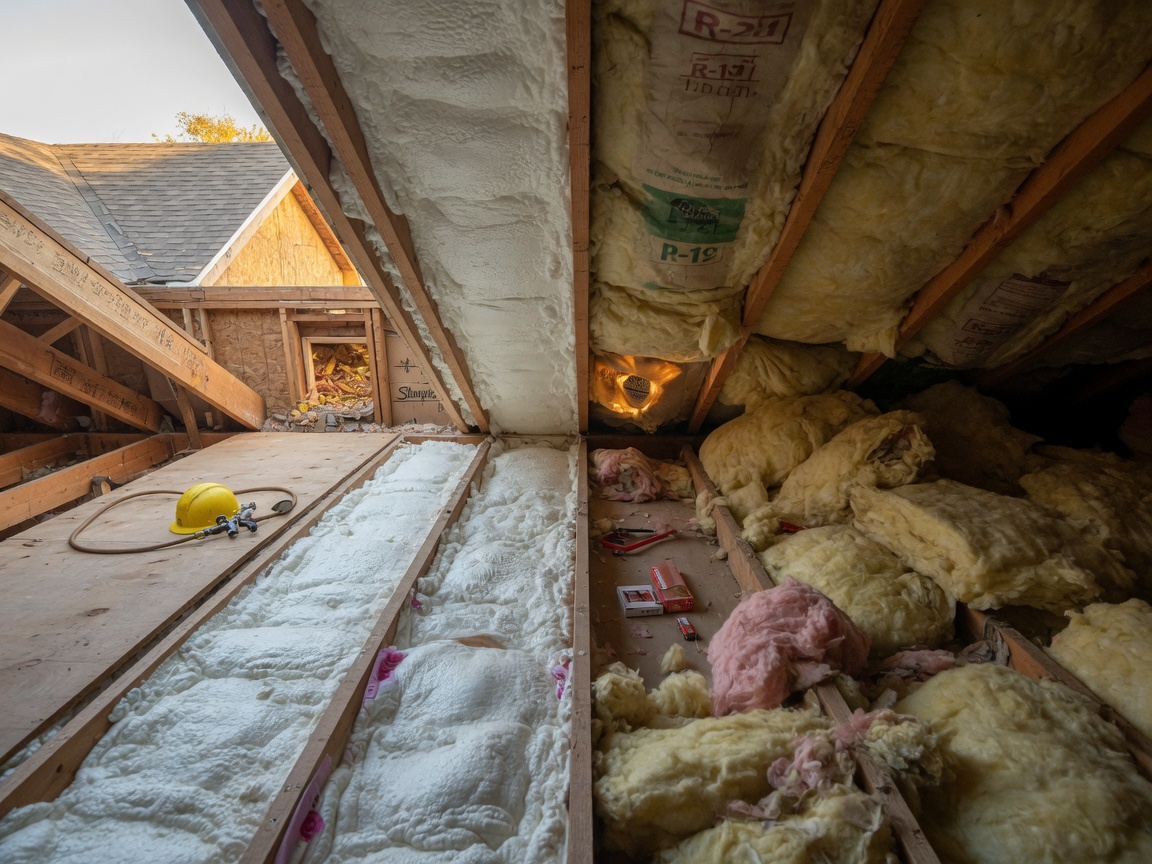
Spray foam insulation saves Tulsa homeowners more over time than fiberglass, delivering lower energy bills and fewer moisture issues across Tulsa County homes exposed to warm humid summers, cold winters, and frequent severe thunderstorms.
Upfront Cost Differences in Tulsa County
Homeowners in neighborhoods such as Maple Ridge and Cherry Street often compare material and labor expenses first. Fiberglass batts or blown-in options run lower initially for standard attic and wall applications in older Tulsa housing stock. Spray foam requires specialized equipment and precise application, raising the per-square-foot price. Yet the difference narrows when crews address irregular framing common in pre-1970 homes around Utica Square and the Pearl District. Local crews factor in travel from the base at 6549 E 46th St when quoting jobs in Jenks or Bixby, keeping estimates realistic for both options.
Energy Performance Through Tulsa Seasons
Tulsa's temperature swings test insulation effectiveness year-round. Spray foam creates an airtight seal that limits heat transfer during humid summer peaks and retains warmth through winter cold snaps. Fiberglass allows more air movement, reducing its R-value effectiveness once settled or exposed to attic ventilation. Owners in Brookside and Greenwood report steadier indoor temperatures after spray foam upgrades, particularly in metal buildings and homes near the BOK Center where wind loads increase. This consistent performance translates to measurable reductions in heating and cooling loads across Tulsa County.
Moisture and Storm Resistance Factors
Frequent thunderstorms bring high humidity and occasional flooding risks near the Arkansas River corridor. Closed-cell spray foam resists water absorption and adds structural rigidity, protecting crawl spaces and attics in areas like Woodward Park. Fiberglass can trap moisture if not paired with proper vapor barriers, leading to mold growth in humid conditions common from late spring through fall. Homes in the Route 66 corridor or near the Tulsa Air and Space Museum benefit from this extra barrier when severe weather hits. Proper installation matters more than material choice alone in these conditions.
Long-Term Savings and Maintenance Realities
Over an 8-12 year span, spray foam typically offsets its higher initial cost through reduced HVAC runtime and fewer callbacks for settling or gaps. Fiberglass may need replacement or additional layers sooner in attics subject to Oklahoma wind and temperature cycling. Readers exploring attic upgrades can review details on Attic Insulation. For deeper insight into closed-cell performance in local homes and metal buildings, see Closed Cell Spray Foam Insulation: Benefits for Tulsa Homes and Metal Buildings. Comparing cell types helps match the right product to specific Tulsa County properties.
Choosing the Right Option for Your Tulsa Home
Evaluate your home's age, existing insulation, and exposure to weather before deciding. Spray foam excels in unvented attics and rim joists where air sealing delivers the biggest payback. Fiberglass remains practical for budget-conscious retrofits in well-ventilated spaces. Homeowners in Owasso or Broken Arrow facing similar climate demands often start with a site assessment to measure current performance. Business hours at the Tulsa location are Mon–Fri 8am–6pm and Sat 9am–2pm for scheduling evaluations.